How to Keep Your Heart Healthy: Essential Tips for Preventing Heart Disease
Heart health is an important part of overall well-being. Heart disease can develop over time and may be influenced by several factors, including high blood pressure, high cholesterol, diabetes, smoking, unhealthy eating habits, physical inactivity, excess weight, and poor sleep.
The good news is that many cardiovascular risk factors can be improved through healthier lifestyle choices and appropriate medical care. The World Health Organization notes that cardiovascular disease can often be prevented by addressing modifiable risk factors such as tobacco use, unhealthy diet, physical inactivity, excess weight, and harmful alcohol use.
Dr. Vaibhav Mishra, an Interventional Cardiologist in Varanasi, recommends taking a proactive approach to heart health through regular monitoring, healthy lifestyle habits, and timely medical evaluation.
Why Is Heart Health So Important?
Your heart continuously pumps blood throughout your body, supplying your organs and tissues with oxygen and nutrients. When the blood vessels supplying the heart become narrowed or blocked, it can lead to coronary artery disease, angina, heart attack, and other cardiovascular problems.
Heart disease does not always cause symptoms in its early stages. Conditions such as high blood pressure, high cholesterol, and diabetes may remain unnoticed for years. Regular health checks can help identify these risk factors early and allow appropriate management.
The American Heart Association's Life’s Essential 8 identifies eight key areas associated with better cardiovascular health: healthy eating, physical activity, avoiding nicotine, healthy sleep, maintaining a healthy weight, controlling cholesterol, managing blood sugar, and managing blood pressure.
1. Follow a Heart-Healthy Diet
What you eat regularly can have a significant impact on your cardiovascular health.
A heart-friendly eating pattern should include a variety of nutrient-rich foods rather than relying on one particular "superfood." The American Heart Association recommends emphasizing vegetables, fruits, whole grains, beans, legumes, nuts, lean proteins, fish and seafood.
Choose More Often
- Fresh vegetables and fruits
- Whole grains
- Beans and lentils
- Nuts and seeds
- Fish and other lean protein sources
- Low-fat dairy where appropriate
- Healthy unsaturated fats
Limit
- Excess salt
- Sugary drinks and foods
- Highly processed foods
- Processed meats
- Excess saturated fats
- Foods high in unhealthy fats
Reducing excessive salt intake is particularly important for people who need to manage blood pressure.
A healthy diet does not mean eliminating every food you enjoy. The goal is to develop sustainable eating habits that support your long-term cardiovascular health.
2. Stay Physically Active
Regular physical activity helps support cardiovascular fitness and can also contribute to healthier blood pressure, weight, cholesterol levels, and blood sugar.
For most adults, the American Heart Association recommends at least 150 minutes of moderate-intensity aerobic activity per week, or 75 minutes of vigorous activity, or a combination of both.
Activities may include:
- Brisk walking
- Cycling
- Swimming
- Dancing
- Jogging, where appropriate
- Other forms of aerobic exercise
You do not necessarily need to exercise for a long period at once. Activity can be spread throughout the week according to your health, fitness level, and schedule.
If you have known heart disease, significant symptoms, or other medical conditions, speak with your doctor before beginning a new exercise program.
3. Avoid Smoking and Tobacco
Tobacco use is a major preventable risk factor for cardiovascular disease.
Smoking can damage blood vessels and contribute to the development of cardiovascular disease. Avoiding tobacco and nicotine exposure is an important part of maintaining heart health. The American Heart Association includes quitting tobacco among its core cardiovascular-health measures.
If you smoke, quitting can be one of the most important steps you can take for your heart.
Avoiding second-hand smoke is also beneficial.
If you need help quitting tobacco, speak with a healthcare professional about appropriate support and cessation strategies.
4. Maintain a Healthy Weight
Excess body weight can be associated with several cardiovascular risk factors, including high blood pressure, abnormal cholesterol, and diabetes.
Maintaining a healthy weight should focus on sustainable lifestyle changes rather than rapid weight-loss methods.
A healthy approach may include:
- Balanced meals
- Regular physical activity
- Appropriate portion sizes
- Adequate sleep
- Limiting highly processed and sugary foods
- Consistent long-term habits
Your ideal weight and health goals depend on several individual factors. A healthcare professional can help you determine an appropriate target.
5. Keep Your Blood Pressure Under Control
High blood pressure is one of the major risk factors for heart disease and stroke. It may not produce noticeable symptoms, which is why it is often called a "silent" risk factor.
Regular blood pressure checks can help identify hypertension early.
The American Heart Association includes blood pressure management as one of its eight key measures of cardiovascular health.
To support healthy blood pressure:
- Reduce excessive salt intake
- Stay physically active
- Maintain a healthy weight
- Avoid tobacco
- Follow prescribed medicines
- Attend regular medical checkups
If you have been diagnosed with high blood pressure, do not stop your medication simply because you feel well.
6. Monitor Cholesterol Levels
Cholesterol is essential for several functions in the body, but abnormal cholesterol levels can contribute to plaque buildup inside arteries.
High levels of LDL or other atherogenic cholesterol can increase cardiovascular risk. Your doctor may assess your cholesterol results along with other factors to understand your overall heart-health risk.
You can support healthy cholesterol levels through:
- A balanced diet
- Regular physical activity
- Maintaining a healthy weight
- Avoiding tobacco
- Taking prescribed medication when recommended
If your doctor has prescribed cholesterol-lowering medication, take it exactly as advised and discuss any concerns before making changes.
7. Manage Blood Sugar and Diabetes
Diabetes and persistently elevated blood sugar can increase the risk of cardiovascular disease.
If you have diabetes or prediabetes, regular monitoring and appropriate management are important parts of protecting your heart.
The American Heart Association identifies blood glucose management as one of its Life’s Essential 8 cardiovascular-health measures.
Healthy eating, physical activity, maintaining an appropriate weight, adequate sleep, and prescribed treatment can all play a role in blood-sugar management.
If you have diabetes, follow the treatment plan recommended by your healthcare professional.
8. Get Enough Quality Sleep
Sleep is an important but sometimes overlooked part of cardiovascular health.
Most adults generally need 7–9 hours of sleep each night.
To improve your sleep routine:
- Maintain consistent sleeping and waking times
- Create a comfortable, quiet sleep environment
- Limit excessive screen exposure close to bedtime
- Avoid large meals close to bedtime
- Address persistent sleep problems with a healthcare professional
If you regularly snore loudly, wake up gasping, or remain excessively tired despite adequate time in bed, discuss these symptoms with a doctor.
9. Manage Stress and Take Care of Your Mental Well-Being
Long-term stress can make it more difficult to maintain healthy habits and may be associated with behaviors such as poor eating, physical inactivity, and tobacco use.
Simple strategies may include:
- Regular physical activity
- Adequate sleep
- Spending time with family and friends
- Relaxation exercises
- Meditation or breathing exercises
- Seeking professional support when needed
Managing stress should complement—not replace—appropriate medical treatment for cardiovascular risk factors.
10. Know Your Heart Health Numbers
One of the simplest ways to become more proactive about your cardiovascular health is to understand your important health measurements.
Depending on your age and individual risk factors, your doctor may recommend monitoring.
- Blood pressure
- Cholesterol
- Blood glucose
- Body weight
- Other relevant cardiovascular risk factors
The American Heart Association specifically emphasizes knowing and managing cholesterol, blood sugar, and blood pressure as part of cardiovascular health.
Your target values may differ depending on your health condition and overall cardiovascular risk, so discuss your results with your doctor rather than relying on a single number.
11. Get Regular Health Checkups
Preventive healthcare can help identify cardiovascular risk factors before they become more serious.
Regular evaluation may be particularly important if you have:
- High blood pressure
- Diabetes
- High cholesterol
- Obesity
- A family history of heart disease
- Previous cardiovascular disease
- A history of smoking
- Reduced exercise tolerance
- Recurrent chest discomfort or breathlessness
Your doctor can determine which tests and follow-up schedule are appropriate for you.
12. Don't Ignore Warning Symptoms
A healthy lifestyle can reduce cardiovascular risk, but it does not guarantee that heart disease will never occur.
Seek medical attention if you develop symptoms such as:
- New or unexplained chest discomfort
- Pressure or tightness in the chest
- Shortness of breath
- Unexplained dizziness or fainting
- Unusual fatigue
- Pain or discomfort spreading to the arm, shoulder, jaw, neck, or back
- Sudden sweating or nausea associated with other concerning symptoms
If symptoms are severe, sudden, or suggest a possible heart attack, seek emergency medical care immediately.
Heart Health Tips for Everyday Life
Small changes can become powerful when they are maintained consistently.
Can Heart Disease Be Prevented?
Not every case of heart disease can be prevented because some risk factors—including age, genetics, and family history—cannot be changed.
However, many important cardiovascular risk factors are modifiable. WHO identifies unhealthy diet, physical inactivity, tobacco use, harmful alcohol use, overweight/obesity, high blood pressure, high blood glucose, and abnormal blood lipids among important cardiovascular risk factors.
This means that taking care of your heart is not simply about reacting to symptoms. It is also about reducing risk before disease develops.
Heart-Healthy Lifestyle for People with Existing Heart Disease
If you already have coronary artery disease, have undergone angioplasty, have a pacemaker, or have another cardiovascular condition, lifestyle management remains important.
Your treatment may include a combination of:
- Prescribed medications
- Regular medical follow-up
- Blood pressure management
- Cholesterol management
- Blood sugar control
- Appropriate physical activity
- Heart-healthy nutrition
- Tobacco cessation
- Weight management
Do not change or stop prescribed cardiac medicines without discussing it with your cardiologist.
Heart Care in Varanasi
Dr. Vaibhav Mishra is an Interventional Cardiologist in Varanasi with advanced training in cardiology and experience in coronary interventions.
His areas of expertise include:
- Coronary Angiography
- Coronary Angioplasty
- Complex Coronary Interventions
- CTO Interventions
- Bifurcation Procedures
- Pacemaker Implantation
- ECG
- 2D Echocardiography
- Comprehensive Cardiac Care
With a patient-focused approach, Dr. Mishra aims to help patients understand their cardiovascular health, identify risk factors, and receive appropriate medical or interventional care when required.
Conclusion
Keeping your heart healthy does not depend on a single diet, exercise routine, or supplement. It is the result of several consistent habits working together.
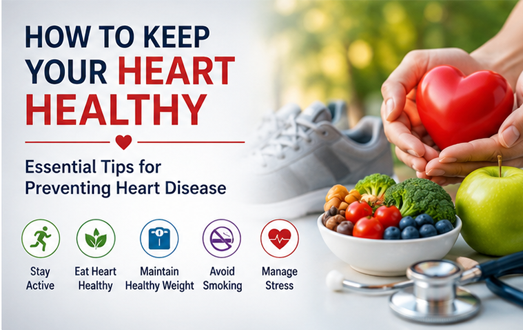
Eat a balanced diet, stay physically active, avoid tobacco, maintain a healthy weight, monitor blood pressure and cholesterol, manage blood sugar, get adequate sleep, and attend appropriate health checkups.
The earlier cardiovascular risk factors are identified and managed, the better the opportunity to protect long-term heart health.
If you have cardiovascular risk factors or symptoms that concern you, consult a qualified cardiologist for personalized medical advice.
Book a Cardiology Consultation in Varanasi
Take a proactive step toward better heart health. Schedule a consultation with Dr. Vaibhav Mishra, Interventional Cardiologist in Varanasi, for comprehensive cardiac evaluation and personalized guidance.
Disclaimer: This article is intended for general health education and does not replace professional medical advice, diagnosis, or treatment. Individual heart-health goals and treatment recommendations vary. Please consult a qualified healthcare professional for advice specific to your medical condition.